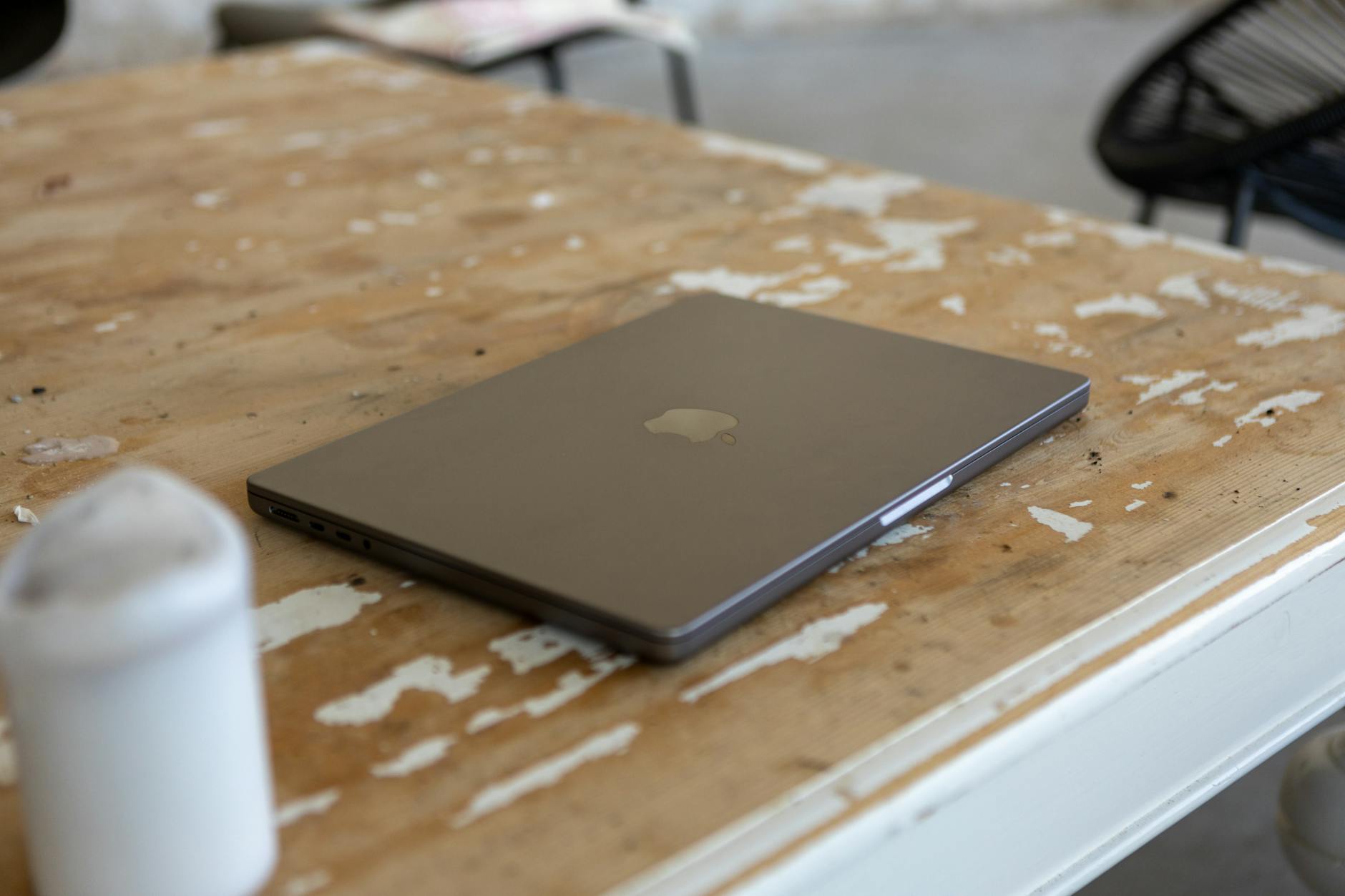
As a freelancer working from home, my laptop is a major part of my business and daily life. I use it to read, annotate, research, play, connect, and manage my life… I’m also a Millennial who likes to think of herself as someone who uses a computer and doesn’t get used by it. Meaning, I can put it down whenever I want and not be bothered. My only problem, I told myself, is that I wouldn’t be able to work. But when my laptop broke down earlier in the month, I had to put my money where my mouth was. Would I cope, or was I too reliant on my device? Here’s how my two-week tech break affected me—and some takeaways for any freelancer who might need a breather from screen life (go straight to the tips here.).
This post contains affiliate links. If you click any of these links and make a purchase within a certain timeframe, I may earn a commission, at no extra cost to you.

A Productivity Pause
I should have known that the breakdown was coming. My laptop is five years old and has broken down once before. I was using a strange combination of physical and on-screen keyboard because several of the keys didn’t work (you don’t realise how often you use S, W, and E keys until they don’t work). Sometimes, if I had a particularly long report to write, the laptop fans would start making a loud whirring sound, as if they intended to burst out of the laptop and lodge themselves directly into my flesh if I didn’t power down immediately. Still, I persisted because the laptop was set up just the way I like it, and I am one of those people who really don’t like change. The thought of being without my laptop made me feel mildly panicked.
Digital Freedom
Inevitably, the laptop gave up and, being insured, I reluctantly headed to Curry’s with my poorly laptop in tow. The last time it went to repairs, I had the laptop back in my hands in two days. This time, though, they informed me that it would be almost two weeks. I hate to admit that my stomach fell. But oddly, as I left the store with the check-in receipt in my hand, I felt a strange sense of freedom.
Freelancer Guilt and Burnout
The truth is, as much as I love my laptop and my work, I had been feeling despondent for weeks. When you work for yourself, it can feel like you should take every bit of work thrown at you—and I did. I had worked pretty much seven days a week for the last two years, even around events and through illnesses. And even on the days I took off, which were usually by necessity rather than choice, I still found myself doing admin. In short, my boundaries were a mess, and I paid for it with my health: poor sleeping patterns, frequent late nights, sluggish digestion, and constant strain on my already severely myopic eyes. I felt constantly exhausted, and my pace was getting slower as a result. I was burnt out. And suddenly, I was unceremoniously free. I knew that I wasn’t the only one in need of repair; now I had to address my own burnout.

Rest and Reset
The first thing that became apparent was that I had become used to constantly being busy. The idea of not being wound tight, battling to beat deadlines or find a little time to myself, left me feeling unmoored. So, the first thing I did was reset. I put my freelance platforms into holiday mode, had a decent sleep, and then realised I actually had lots of non-digital hobbies that had either gone neglected or that I wanted to try. I’ve always been creative, but because I am always busy, the main pleasure activity I have is cooking. I love to try out new recipes and can easily spend entire days cooking and taking care of other domestic chores while listening to music (my mental sanctuary and happy place), and I get my much-needed dopamine hit from watching my family enjoy their meals. My internet bookmarks are full of my favourite food blogs (and I do read the little stories before the recipes too—they are interesting and contain helpful tips!). But what about little hobbies for myself where I do something just for the pleasure of it? All of a sudden, the days seemed dauntingly long and the possibilities endless.
Rediscovery
I had a clumsy go at cross stitch, which I hadn’t done in years, but found that I had a stash of new equipment stowed away. I also explored all the stationery I had organised in drawers, pulled out the adult colouring books, and the piles of notebooks to write in. Books I hadn’t read yet. I had clay. I had acrylic paints. Not to mention, I have a bunch of house plants that could do with treatments and repotting before the winter season. I was overwhelmed with choice.
I was surprised at how calm I felt after a few days (especially as a person with an anxiety disorder). Getting to read for pleasure, doing nothing but sinking into worlds and only annotating for myself—not for work—felt so, for want of a better term, novel. I read a LOT.
It’s amazing how you can live in a constant state of overstimulation and not realise it until you slow down. My thoughts became clearer and more organised, and gradually, my attention span recovered. Until recently, I had accepted that I had the attention span of a flea. My own creativity felt like it had been in survival mode because it suddenly bloomed, and I now have a notebook filled with ideas. There was more to me than a sing-song while I do the laundry or dinner after all.
One-Purpose Tools
I found that I fell back in love with one-purpose items. I was using the laptop, much like my phone, for everything—gaming, organising, writing… Now, I was writing in notebooks. I was organising in my diaries again (which I always use enthusiastically from Jan-Mar and then forget about completely). I was reading with my Kindle or out of physical books instead of the on-screen app. I stuck a clock on my desk and used that to time myself for writing or study sprints instead of my phone. It may be no surprise, but I got so much more done. Partly because I was getting sleep and could focus, and partly because there was no way for me to get caught up in doom scrolling.
I do have phones to use and, arguably, I could use those to do all the things the laptop can do and more. But I found that the more time I spent on my hobbies, the less I felt inclined to check my phone. For the first time in years, I even found myself forgetting to reply to messages or not noticing I had received them. And even more strangely, those closest to me started to call me if a quick answer was needed or leave voice notes. It can be difficult to find time to talk, especially when working, but the odd conversation on the phone is much more uplifting than texts.

Physical Effects
Working while sitting down is relatively new to me. I started off in retail, which involves plenty of movement, and even when I spent 13 years in banking, I spent a lot of time standing and moving around because I was in customer service and had desks that I could sit or stand at. In teaching, I did plenty of moving around and spent most of the day on my feet. So, finding out how quickly a more sedentary lifestyle impacted my health was a shock. I’ve suffered with sciatica for over a decade, but sitting at a desk exacerbated symptoms to such a point that it impacted my daily life, and I was spending more days than not in pain. It also aggravated other health issues that I hadn’t had or found perfectly manageable before. I bloated more, got more headaches, and experienced frequent repetitive strain and neck pains no matter what adjustments I made to my seating arrangements.
No laptop meant more time to walk about, more time to go to the gym, and finally carving out a day to repot all of those plants. Most of my problems had noticeably eased within days.
Going Forward
Earlier this week, I collected my laptop, and while I am relieved to have it back and missed the comfort and convenience it provides, I have realised that I need stricter boundaries around how I use it and how much I try to do. I have made myself some micro-habits for November, which I will share soon. The aim is to give me more balance between grounding activities and enjoying the benefits that being connected offers. Despite initially feeling lost without my laptop, it’s been a positive experience overall. I’m looking forward to creating a more balanced relationship with my digital life going forward.

Some Tips for Taking a Break as a Freelancer
Taking a break, planned or unexpected, is essential for freelancers. Here are some practical tips to help you unplug without losing your business flow:
Plan Ahead for Breaks
Schedule time off on your calendar just as you would a project deadline. Inform clients in advance so you can return to work with minimal disruption.
Set Clear Boundaries
Activate “holiday mode” or auto-responders on your freelance platforms to manage client expectations during breaks. Avoid the temptation to check messages; let your break be a true one. More often than not, clients will be supportive, especially when expectations are managed in advance.
Leverage a Freelance Platform
Even if you have your own client base, having one freelance platform at your disposal can be helpful for times when you have fewer clients. It may provide a buffer for those slower periods that often follow breaks where you’re less present online.
Reconnect with Dedicated Tools
Swap some digital tools for dedicated items: a diary for scheduling, a notebook for jotting down ideas, a physical timer for focused work sprints. These can make it easier to step away from digital devices when you need to.
Engage in Non-Digital Hobbies
Find a few hobbies that bring you joy without a screen. Whether it’s crafting, gardening, or reading a physical book, these activities can refresh your mind, inspire creativity, and help prevent you from being drawn back into the digital world.
Consider a Colleague
If possible, collaborate with another freelancer who can cover urgent tasks while you’re away, or create a referral list of trusted colleagues. Clients will appreciate the continuity, and it reflects positively on your professionalism.
Use Scheduling Tools for Consistent Visibility
Use scheduling tools to pre-plan content or check-ins with clients. Schedule blog posts, social media updates, or newsletters in advance to keep your online presence active without needing to log in daily. Some people dedicate one day a month to content creation, building up a stock of content just in case.
Update Your Financial Projections
If possible, adjust your financial planning to account for time off, setting aside funds to cover income during the break. This preparation allows you to enjoy your time off fully without worrying about revenue gaps.
Insurance
Consider taking out income protection insurance to safeguard your earnings in case of unexpected illness or injury. This can provide peace of mind, knowing you have a financial cushion if you’re unable to work for a period. It’s especially useful for freelancers who don’t have the security of paid sick leave.
Taking a step back can refresh your approach, help you reclaim your health, and give you a fresh perspective on work and life. If you’re feeling stuck or burnt out, it might be time for your own “digital repair.”
I showed a few of the things I got up to while my laptop was gone on Instagram.
Like the ideas in this post? You might like some of the items in my Amazon storefront, where I list some of the items I use in my home space. Check it out here!


Leave a Reply